
.png)
Benefits of Upgrading to a Smart Home Electrical System
.webp)
Introduction
Smart home products are usually sold as devices you buy and plug in. In practice, the ones that keep working years later are the ones sitting on wiring that was designed to carry them.
The difference between a smart home that feels effortless and one that irritates everyone in the house is almost always electrical, not digital.
Why the Wiring Matters
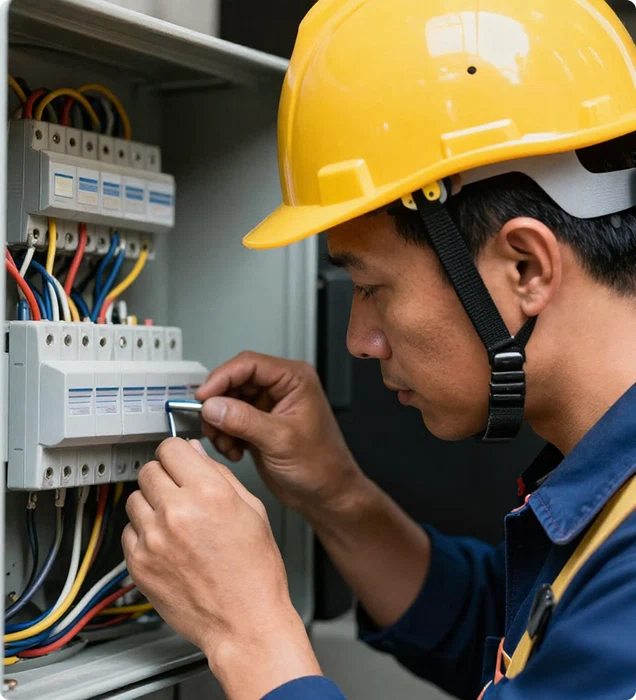
Most smart switches need a neutral conductor at the switch position. Older homes frequently do not have one, because the original wiring only ever needed to interrupt the live conductor. This single detail stops more smart lighting projects than any software problem.
Where a neutral is missing, the options are to run one, to use a bypass device with its own limitations, or to move the intelligence into the fitting instead of the switch. Each has trade-offs worth understanding before you buy.
- Neutral at the switch position
- Spare capacity in the panel
- A central point for control equipment
- Structured cabling rather than wireless-only links
Keep the Wall Switches Working
The most common regret in smart home installations is losing the ability to operate a light by hand. Guests cannot use it, the network eventually goes down, and someone is always looking for a phone to turn a lamp off.
A well-planned system automates behaviour while leaving every physical control intact. Automation should be the fast path, not the only path.

What You Actually Gain
Beyond convenience, a properly wired smart electrical system gives you visibility and control that a conventional installation cannot.
Benefits include:
- Lighting that adjusts to occupancy and time of day
- Circuit-level visibility of where energy goes
- Remote control of heating and appliances
- Away-mode routines that make an empty house look occupied
- Early warning of faults through monitoring
- A system that can absorb future additions
Planning the Upgrade
Upgrading is easiest during a renovation, when walls are already open. If that is not the case, work zone by zone and start where the benefit is largest, usually the main living areas and the exterior lighting.
- Survey existing wiring and switch positions
- Confirm panel capacity for added load
- Run structured cabling to a central enclosure
- Install smart switches and dimmers
- Programme scenes and automations
- Leave documented spare capacity
Conclusion
A smart home is only as reliable as the wiring underneath it. Get the electrical foundation right and the devices become an easy, replaceable layer on top. Get it wrong and every upgrade turns into another workaround.
