
.png)
How Smart Home Technology Is Changing Electrical Services
.webp)
Introduction
Smart technology has changed what homeowners ask an electrician for. Ten years ago the request was power in a location. Now it is often power, data, control and a plan for whatever gets added next.
From Fittings to Systems
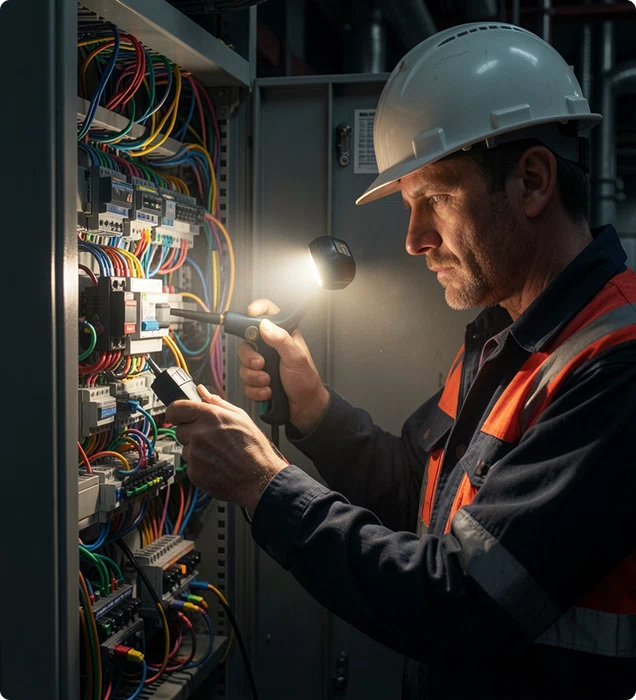
A conventional installation is a set of independent circuits. A smart installation is a system, and systems need a design: a central point for equipment, structured cabling, and consistent decisions about where intelligence lives.
That shift is why smart work takes longer to plan and less time to extend. The first zone is the expensive one; every zone after it is comparatively simple.
- Central enclosure for control equipment
- Structured cabling instead of ad-hoc wireless links
- Neutral conductors at every switch position
- Documented spare capacity
What Clients Now Expect
Requests that were unusual a few years ago are now routine, and they change how a job is specified from the start.
- Lighting scenes rather than switched circuits
- Energy monitoring at circuit level
- Remote control of heating and appliances
- Integration with security and access
- EV charging with load management
What Has Not Changed
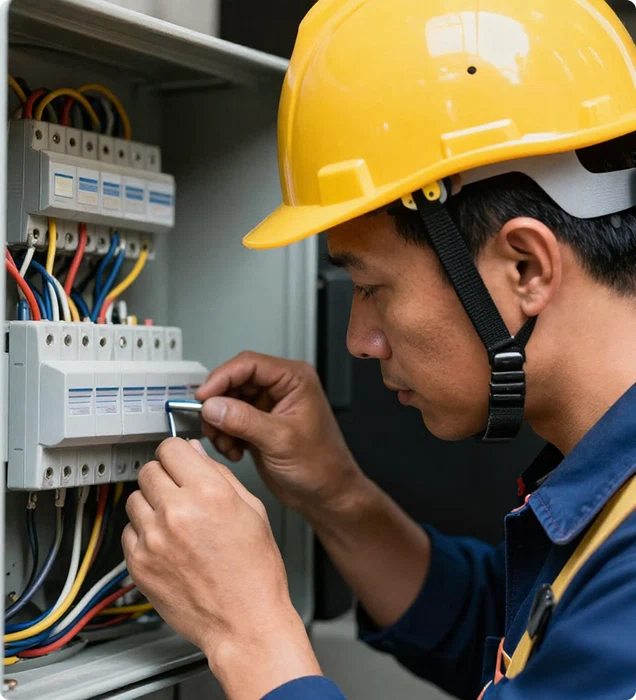
The underlying electrical work is the same craft it always was. Conductors still need sizing, connections still need to be tight, and code still applies. Smart features sit on top of that; they do not replace any of it.
Choosing an Installer
The market now contains both electricians who have added automation and integrators who subcontract the electrical work. Both can produce good results, but the questions worth asking are the same.
- Who holds the electrical certification?
- Is the system open standard or proprietary?
- Can it be serviced by anyone else afterwards?
- What happens if the manufacturer discontinues support?
- Do all automated functions have a physical control?
Where This Is Going
The direction of travel is toward homes that manage their own load: shifting EV charging and heating to off-peak periods, prioritising circuits when supply is constrained, and reporting faults before they become failures.
All of that depends on wiring designed for it. The homes that adopt it easily will be the ones where someone thought about capacity and cabling years earlier.
Conclusion
Smart technology has not replaced electrical work, it has raised what a good installation needs to account for. The fundamentals still decide whether any of it works reliably.
