
.png)
Choosing the Right EV Charger Fast for Your Home

Introduction
Buying an electric car is the easy part. Deciding how to charge it at home is where most people get stuck, because the choice depends less on the car than on the electrical supply already sitting in your house.
Chargers are sold on speed, but speed is only useful if your supply can deliver it. Before comparing brands, it helps to understand what actually limits charging at home.
Understand the Two Levels
Level 1 charging uses an ordinary household outlet. It needs no new wiring, but it adds only a few miles of range per hour. For a short commute it can be enough. For anything more, it will not keep up overnight.
Level 2 charging runs on a dedicated higher-voltage circuit and typically refills a battery overnight. This is what most homeowners end up installing, and it is the option that requires electrical work.
- Level 1: no installation, very slow, suits low daily mileage
- Level 2: dedicated circuit required, full overnight charge
- DC fast charging: commercial only, not viable at home
Your Panel Decides What Is Possible
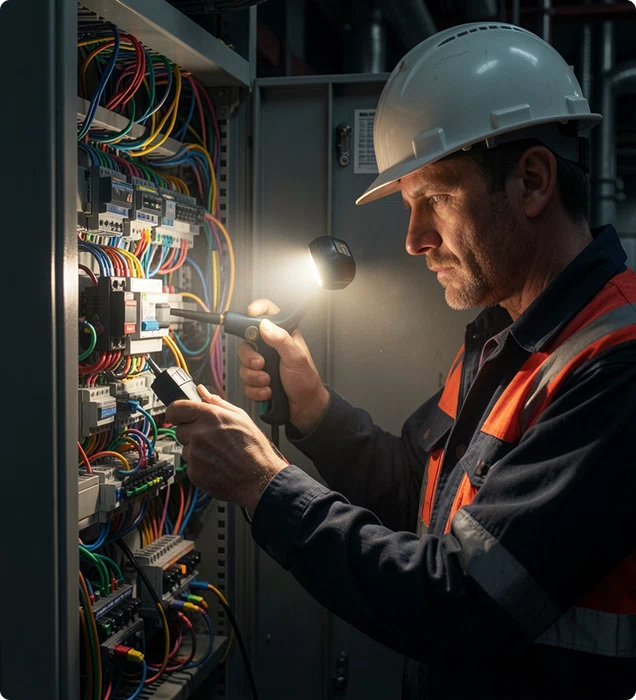
A Level 2 charger draws a substantial continuous load. Whether your existing panel can accommodate it depends on its rating, how much of that rating your household already uses, and whether there is a spare breaker position.
An electrician performs a load calculation to answer this properly. It is the single most important step, and it is the one most often skipped by people who buy the charger first and ask questions later.
If the panel cannot take the load, you have two routes: upgrade the panel, or fit a load management device that throttles the charger when the rest of the house is drawing heavily. The second is often cheaper and perfectly adequate.
Hardwired or Plug-In
A plug-in charger connects to an outlet installed for the purpose and can be unplugged and taken with you. A hardwired unit is fixed permanently and is generally required for outdoor installations and for the highest power levels.
Points to weigh:
- Plug-in units are easier to replace or relocate
- Hardwired units suit outdoor and higher-power installs
- Cable length determines where you can park
- Weather rating matters for anything outside a garage
- Smart features let you charge on off-peak rates
What Installation Involves
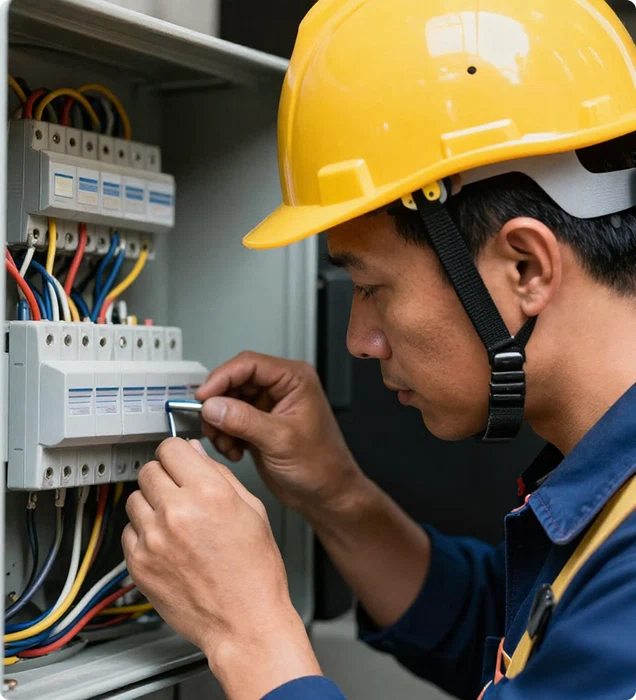
The work usually means running a dedicated circuit from the panel to the parking position, fitting the correct breaker, mounting the unit, and testing under load. Permits and inspection are required in most areas, and they exist for good reason given the current involved.
- Load calculation on the existing panel
- Dedicated circuit and breaker installation
- Charger mounting and connection
- Permit and inspection
- Commissioning under real load
Conclusion
Choose the charger after you know what your supply can deliver, not before. A short survey and load calculation costs little, takes an hour, and prevents the common outcome of a charger sitting in its box while the panel gets sorted out.
